

Showing posts with label advice. Show all posts
Showing posts with label advice. Show all posts
Sunday, November 20, 2016
Illustrator Saturday
Thanks go out to Kathy Temean for having me as her featured illustrator for her Illustrator Saturday blog! Visit the post to read the interview, learn more about my illustration process, my career journey, see recent artwork and revisit old favorites! Thanks, Kathy, for having me as part of your blog!

Tuesday, August 26, 2014
Business 101
Are you ready to officially set up shop in the illustration industry? Check out my new post on Once Upon A Sketch about starting a small business for your freelance illustration.

Tuesday, July 22, 2014
Once Upon A Sketch - Going Digital
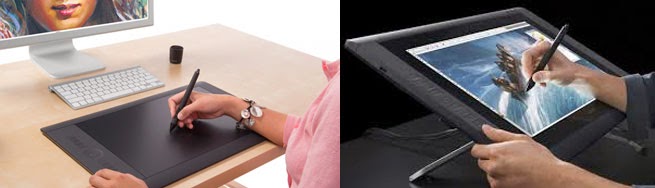
Hi everyone! Check out my new post on Once Upon A Sketch about the basics of transitioning from traditional illustration to digital illustration!
Wednesday, January 29, 2014
As You Wish
Hi All! Check out my first post to Once Upon A Sketch! I offer tips and advice for setting the right goals for 2014 for your business and portfolio.

Monday, January 20, 2014
Once Upon a Sketch

Well, this announcement is overdue, but starting this year, I will be one of the regular contriubutors to the blog "Once Upon A Sketch." This blog is a resource for illustrators which gives "insight, education and news about the many facets of the Children’s Illustration Market. From Children’s Books to Character Design, Game Art, Storyboarding, Toys and licensed Products you’ll find articles, interviews and resources to help fuel your education and growth. Jump in and learn more about the various industries from working professionals and find out what it takes to become successful in this field." Founded by Wilson Williams Jr and Norman Grock, the website became a go-to for artists looking to learn about new techniques, new technologies and important news affecting the illustration industry. After Wilson's unexpected passing in August this past year, the blog went on hiatus for a few months. During that time, Norman Grock began looking for new and returning contributors to partner with him in order to continue maintaining and updating "Once Upon A Sketch", keeping it a relevant resource for artists.
I am excited to be able to be a part of this great website! Check out our very first group-post of the year, "What We Wish We Knew BEFORE We Started Out As Artists". Also, next week, I will be posting my first entry about identifying and setting meaningful goals for our portfolios and our businesses to attract new clients and appeal to new markets.
Thanks for reading!
Monday, May 6, 2013
Promotional Postcards
Hi everyone! Fellow illustrator Kristi Valiant (who has an adorable book about dancing penguins coming out later this year; everyone go preorder it) has a very informative blog post on promotional postcards for illustrators (you know, the ones you make and send out to art directors several times a yaer hoping that someone says "YES! I love his/her work and have the perfect project for this art style!") In any case, I wanted to share this post with you, because it is a great resourse for illustrators who are promoting themselves, their artwork, or their upcoming books.
 Kristi Valiant Promotional Postcards Blog Post
Wednesday, August 17, 2011
So You've Written a Children's Book...
Now what? First-time writers often contact me after they have finished writing their children's book, mistakenly believing that getting the book illustrated is the next step in the publishing process, and are surprised to find out that there's more work to do before the book is ready to be handed off to an illustrator. First, you have to decide if you want to pursue traditional publishing or self publishing. So, for you new-authors out there, here is your mini-guide to the world of publishing...
Traditional Publishing With traditional publishing, your manuscript is published by a publishing house, such as Randomhouse or Harpercollins. The publisher buys your manuscript (the money varies depending on the rights they buy). You do not hire an illustrator if you go this route. You simply submit your manuscript. The publisher takes care of finding/hiring an illustrator, graphic designer, marketing team, and takes care of getting the text copyrighted in your name.
The Pros: This does not cost you any money. In fact, you get paid for your manuscript.
The Cons: You will not have any say in who the illustrator is or how your manuscript is illustrated. Also, you will have to go through the work of submitting to publishing houses. Also, there is no guarantee that your manuscript will be selected for publishing.
How to do it:
The best way to start submitting your manuscript to traditional publishers is to buy a copy of the current Children's Book Writers and Illustrators Market book. This yearly publication contains the contact information for pretty much all of the publishers in the US, their submission guidelines, and information about what they publish. Some publishers are small and some are large, and by reading the information, you can get an idea as to which publishers might be a good fit for your book. Then, you mail off your manuscript according to the submission guildlines, and wait for a response.
Self Publishing With self publishing, you basically assume all of the costs and responsibilities of a publisher. You pay to get your manuscript printed and put into book form.
The Pros: You retain complete control over your book. You get to decide who illustrates it and what the pictures look like. You have a hands-on experience through the publishing process.
The Cons: This can be expensive and time consuming, due to the amount of research and hiring involved. You must hire the services of an illustrator and a graphic designer, as well as a printing service. You would need to select a printing house and understand the print guidelines so that your illustrator and designer can work within those specifications.
How to do it:
NOTE: Before anything - RESEARCH YOUR COSTS and TIMELINES. Before you start making commitments to print houses and contacting illustrators and designers, find out how much it is going to cost to hire these people. Many first-time authors are dismayed to find out that it's going to cost a lot of money and time to turn your manuscript into a hardback picture book On average,it will cost $3000-$10,000 to hire an illustrator, and 3-9 months for your illustrations to be completed, depending on the illustrations needs of your book and depending on the royalties and rights specified in your illustration contract.
Ok, moving on....
1) Decide on what your goals are for your book. Are you just wanting to print about 50 copies to give away as gifts to family for Christmas, or do you want to try and get your book into stores? My Dad wanted copies to give away to friends and family, so he decided to just get it printed at Pip Printing. This did not require him to have to get a copyright or anything official, but it was an inexpensive way to meet his goals for his book. If you are thinking about a wider or more official distribution, you will want to look at a self publishing house.
2) After you decide on a printer, you should find an illustrator and a graphic designer. There are lots of ways to find an illustrator. One of the easiest things to do is to browse the latest PictureBook annual. Download the recent PDF. Each page features a different illustrator (I'm in there as well!) If you see an illustrator that you like, you can contact them (their contact info is on the same page) for their availability and pricing). You can also contact an agency. You can pick out an illustrator that you like, and the agent connects you with them, and tells you the pricing, etc. Another source of talent is Children's Illustrators. You can browse the galleries, select an illustrator that you like, and contact them for pricing. After the illustrator finishes the art, the art will be provided to you, and you can give it to a graphic designer, who may be independent or affiliated with the print house you chose.
3) After the illustrator finishes his/her work, the graphic designer puts the book together into a format that the printer can use. This file is delivered to you.
4) You send the final book to the printer for print, if the designer was independent and not affliated with the print house you chose.
Some self publishing houses help you with marketing. Others do not. With self publishing, you will want to talk to local stores, etc about taking on copies of your book to sell.
Whether you are publishing traditionally or going the self-publishing route, I highly recommend becoming a member of the Sociey of Children's Book Writers and Illustrators. Members have access to documents about publishing and lists of editors, agencies and other industry contacts. Member can also access the forums, where you will fins answers to questions you didn't even know to ask! You can post you manuscript for critiques before you submit it to a publisher, and also get tips on writing query letters. If you are new to publishing, this organization is a great place to get aquainted with and get perspective on the children's publishing industry before you start making commitments.
Good luck to all!
Traditional Publishing With traditional publishing, your manuscript is published by a publishing house, such as Randomhouse or Harpercollins. The publisher buys your manuscript (the money varies depending on the rights they buy). You do not hire an illustrator if you go this route. You simply submit your manuscript. The publisher takes care of finding/hiring an illustrator, graphic designer, marketing team, and takes care of getting the text copyrighted in your name.
The Pros: This does not cost you any money. In fact, you get paid for your manuscript.
The Cons: You will not have any say in who the illustrator is or how your manuscript is illustrated. Also, you will have to go through the work of submitting to publishing houses. Also, there is no guarantee that your manuscript will be selected for publishing.
How to do it:
The best way to start submitting your manuscript to traditional publishers is to buy a copy of the current Children's Book Writers and Illustrators Market book. This yearly publication contains the contact information for pretty much all of the publishers in the US, their submission guidelines, and information about what they publish. Some publishers are small and some are large, and by reading the information, you can get an idea as to which publishers might be a good fit for your book. Then, you mail off your manuscript according to the submission guildlines, and wait for a response.
Self Publishing With self publishing, you basically assume all of the costs and responsibilities of a publisher. You pay to get your manuscript printed and put into book form.
The Pros: You retain complete control over your book. You get to decide who illustrates it and what the pictures look like. You have a hands-on experience through the publishing process.
The Cons: This can be expensive and time consuming, due to the amount of research and hiring involved. You must hire the services of an illustrator and a graphic designer, as well as a printing service. You would need to select a printing house and understand the print guidelines so that your illustrator and designer can work within those specifications.
How to do it:
NOTE: Before anything - RESEARCH YOUR COSTS and TIMELINES. Before you start making commitments to print houses and contacting illustrators and designers, find out how much it is going to cost to hire these people. Many first-time authors are dismayed to find out that it's going to cost a lot of money and time to turn your manuscript into a hardback picture book On average,it will cost $3000-$10,000 to hire an illustrator, and 3-9 months for your illustrations to be completed, depending on the illustrations needs of your book and depending on the royalties and rights specified in your illustration contract.
Ok, moving on....
1) Decide on what your goals are for your book. Are you just wanting to print about 50 copies to give away as gifts to family for Christmas, or do you want to try and get your book into stores? My Dad wanted copies to give away to friends and family, so he decided to just get it printed at Pip Printing. This did not require him to have to get a copyright or anything official, but it was an inexpensive way to meet his goals for his book. If you are thinking about a wider or more official distribution, you will want to look at a self publishing house.
2) After you decide on a printer, you should find an illustrator and a graphic designer. There are lots of ways to find an illustrator. One of the easiest things to do is to browse the latest PictureBook annual. Download the recent PDF. Each page features a different illustrator (I'm in there as well!) If you see an illustrator that you like, you can contact them (their contact info is on the same page) for their availability and pricing). You can also contact an agency. You can pick out an illustrator that you like, and the agent connects you with them, and tells you the pricing, etc. Another source of talent is Children's Illustrators. You can browse the galleries, select an illustrator that you like, and contact them for pricing. After the illustrator finishes the art, the art will be provided to you, and you can give it to a graphic designer, who may be independent or affiliated with the print house you chose.
3) After the illustrator finishes his/her work, the graphic designer puts the book together into a format that the printer can use. This file is delivered to you.
4) You send the final book to the printer for print, if the designer was independent and not affliated with the print house you chose.
Some self publishing houses help you with marketing. Others do not. With self publishing, you will want to talk to local stores, etc about taking on copies of your book to sell.
Whether you are publishing traditionally or going the self-publishing route, I highly recommend becoming a member of the Sociey of Children's Book Writers and Illustrators. Members have access to documents about publishing and lists of editors, agencies and other industry contacts. Member can also access the forums, where you will fins answers to questions you didn't even know to ask! You can post you manuscript for critiques before you submit it to a publisher, and also get tips on writing query letters. If you are new to publishing, this organization is a great place to get aquainted with and get perspective on the children's publishing industry before you start making commitments.
Good luck to all!
Saturday, August 21, 2010
A bit about representation
I've been getting a lot of questions lately about art reps for people in the children's illustration business. Most people just want to know "how do I get an agent?" However, there are a few basic questions that an artist should ask his/herself first:
1) "Why do I want an agent?" - For most people, the answer to this question is simply "because I believe that having an agent will get me more projects." The reasons for deciding that being represented is right for you is a bit more complex than simply wanting more work. For me, there were several answers to this question that led me to believe that representation was right for me: "I live in the Midwest, and many of the publishers I want to work with are out east. I want to have someone who can personally represent me and my work to the clients that I wish to do business with." "Marketing myself effectively has become a full time job. I need someone with good connections who can focus on promoting me so that I can focus on projects and portfolio development." "I do not know all of the industry standards for pricing and practices across a variety of markets, and need someone knowledgeable and experienced to negotiate my contracts provide advice and perspective about new opportunities." And of course...."I want more work."
2) "What kind of relationship do I want with my agent?" - It's like dating. Most people have certain expectations of people they are considering dating, to narrow the pool. For some, potential dates must share his/her religion, or have a certain level of education, or share certain interests. It is the same with agents. Do you want someone who will take an interest in developing your portfolio, or do you want to be left to your own creative devices? Do you want your agent to be located in a certain region? How much experience do you want your agent to have? Do you want an agent who represents a large portfolio of artists, or do you want to be a part of a smaller more exclusive group? Do you want an agent who will only get you work from one particular market? Do you want an exclusive or a non-exclusive contract with your agent? Do you want to communicate directly with clients, or do you want your rep to handle all client interaction? These are all questions you need to be able to answer before you even begin to look for representation so that you identify agencies that may be a good fit for you.
3) "Why would an agent want to represent me?" - Remember, the dating analogy? You are not hiring an agent. Just as you are looking for an agent who would be a good fit for you, the rep you are talking to is also trying to decide if you would be a good fit for his/her portfolio of artists. Is your work professional enough to actually market? Do you have enough experience under your belt that the agent can feel confident that you can handle a project professionally? Are you easy to work with? Are you committed to working in this industry, or are you just trying illustration out to "see if it works?" Can you create on a deadline? Do you understand your work method enough to be able to give accurate art completion dates? Art reps don't want to waste their time marketing someone who is ultimately going to reflect poorly on them and their business.
4) "Do I know what agents do?" Do you know enough about representation to know if you are talking to an unethical agent? Do you know what the responsibilities of an art rep are...and what they are not?
OK, so you have decided that it is time for you to seek out representation. So, now back to the original question: "How do I get an agent?" There are a lot of ways that artists connect with their agents. Here is how I got connected with my agent:
First I went through the SCBWI publication about reps and agents. I circled reps that I thought sounded worth investigating. (I really wanted someone out in NY, for instance). Then I visited said reps websites to see how many people they were repping, and what the portfolio looked like. I crossed off some reps from my list. Then I began checking out their advertising. I went through ISpot, Picturebook, Directory of Illustration and other marketing venues to see where they were advertising and how consistent they were about doing so over the years. This also gave me a sense of their business brand as well, and how much exposure each artist got (For instance, did they consistently cram about 100 artists on 1 page of a printed annual, or did each artist get a full page to show off their best work?). I also looked their artists up on Amazon, to see is any of them were getting consistent work (hmm....that artist has not had a picturebook since 1985.....I wonder why their agent isn't getting them more?).
Once I had my list down to 4 reps, I queried them, and dialogue began. I had various phone conferences with them, talking about contracts, and the details of the relationship and the business. I also asked to interview several of their artists (my choice) to see how satisfied they were with the relationship. Finally, I entered into a contract with the agent that I felt was right for me. I've been represented since 2008, and love my relationship with my agent. For me, representation by the right agent was the right move for my illustration career.
But what if you don't love your agent? Representation is not a marriage. You do as much research as you can; you think about what you want, and when you find a rep that you think you can work with, you ultimately hope for the best. If the relationship works, wonderful! If it does not, the contracts have a termination clause, explaining the terms for ending the relationship. So, if it doesn't work out, you can always decided to stay un-repped, or find a new rep, learning from your experience. Agencies that are a good fit for one artist may not be a good fit for another.
Good luck, everyone, and happy illustrating!
1) "Why do I want an agent?" - For most people, the answer to this question is simply "because I believe that having an agent will get me more projects." The reasons for deciding that being represented is right for you is a bit more complex than simply wanting more work. For me, there were several answers to this question that led me to believe that representation was right for me: "I live in the Midwest, and many of the publishers I want to work with are out east. I want to have someone who can personally represent me and my work to the clients that I wish to do business with." "Marketing myself effectively has become a full time job. I need someone with good connections who can focus on promoting me so that I can focus on projects and portfolio development." "I do not know all of the industry standards for pricing and practices across a variety of markets, and need someone knowledgeable and experienced to negotiate my contracts provide advice and perspective about new opportunities." And of course...."I want more work."
2) "What kind of relationship do I want with my agent?" - It's like dating. Most people have certain expectations of people they are considering dating, to narrow the pool. For some, potential dates must share his/her religion, or have a certain level of education, or share certain interests. It is the same with agents. Do you want someone who will take an interest in developing your portfolio, or do you want to be left to your own creative devices? Do you want your agent to be located in a certain region? How much experience do you want your agent to have? Do you want an agent who represents a large portfolio of artists, or do you want to be a part of a smaller more exclusive group? Do you want an agent who will only get you work from one particular market? Do you want an exclusive or a non-exclusive contract with your agent? Do you want to communicate directly with clients, or do you want your rep to handle all client interaction? These are all questions you need to be able to answer before you even begin to look for representation so that you identify agencies that may be a good fit for you.
3) "Why would an agent want to represent me?" - Remember, the dating analogy? You are not hiring an agent. Just as you are looking for an agent who would be a good fit for you, the rep you are talking to is also trying to decide if you would be a good fit for his/her portfolio of artists. Is your work professional enough to actually market? Do you have enough experience under your belt that the agent can feel confident that you can handle a project professionally? Are you easy to work with? Are you committed to working in this industry, or are you just trying illustration out to "see if it works?" Can you create on a deadline? Do you understand your work method enough to be able to give accurate art completion dates? Art reps don't want to waste their time marketing someone who is ultimately going to reflect poorly on them and their business.
4) "Do I know what agents do?" Do you know enough about representation to know if you are talking to an unethical agent? Do you know what the responsibilities of an art rep are...and what they are not?
OK, so you have decided that it is time for you to seek out representation. So, now back to the original question: "How do I get an agent?" There are a lot of ways that artists connect with their agents. Here is how I got connected with my agent:
First I went through the SCBWI publication about reps and agents. I circled reps that I thought sounded worth investigating. (I really wanted someone out in NY, for instance). Then I visited said reps websites to see how many people they were repping, and what the portfolio looked like. I crossed off some reps from my list. Then I began checking out their advertising. I went through ISpot, Picturebook, Directory of Illustration and other marketing venues to see where they were advertising and how consistent they were about doing so over the years. This also gave me a sense of their business brand as well, and how much exposure each artist got (For instance, did they consistently cram about 100 artists on 1 page of a printed annual, or did each artist get a full page to show off their best work?). I also looked their artists up on Amazon, to see is any of them were getting consistent work (hmm....that artist has not had a picturebook since 1985.....I wonder why their agent isn't getting them more?).
Once I had my list down to 4 reps, I queried them, and dialogue began. I had various phone conferences with them, talking about contracts, and the details of the relationship and the business. I also asked to interview several of their artists (my choice) to see how satisfied they were with the relationship. Finally, I entered into a contract with the agent that I felt was right for me. I've been represented since 2008, and love my relationship with my agent. For me, representation by the right agent was the right move for my illustration career.
But what if you don't love your agent? Representation is not a marriage. You do as much research as you can; you think about what you want, and when you find a rep that you think you can work with, you ultimately hope for the best. If the relationship works, wonderful! If it does not, the contracts have a termination clause, explaining the terms for ending the relationship. So, if it doesn't work out, you can always decided to stay un-repped, or find a new rep, learning from your experience. Agencies that are a good fit for one artist may not be a good fit for another.
Good luck, everyone, and happy illustrating!
Monday, December 8, 2008
My 2 Cents to Aspiring Illustrators
I have been getting a lot of questions lately about "how do you become a freelance children's book illustrator." Specifically, college students tend to contact me regularly to interview me as a "professional artist in your field of interest" for their class projects. I can't guarantee that the road that I followed will work out for everyone, but I do think that many illustrators got where they are today by taking a similar course. Since many aspiring illustrators have similar questions, I thought I would post the questions from these students and my responses. This is by no means a "don't contact me with any more questions" post! I love being able to share my experiences with others to help them get where they want to be with their career, just as other experienced illustrators did for me when I was a college graduate. I just figured that I might as well post some of this information on my little corner of the internet, and if anyone has any specific or further questions, feel free to contact me! Hope this helps as a good starting point to help new illustrators start off in the right direction:
Letter to Student:
I am happy to help you with your interview project, and am glad that you enjoyed my work for the Pirate School series. Please see my answers to your questions below.
1) Have you always wanted to pursue visual design as a career, or did you think you would be doing something else with your life?
Well, when I was 5 I wanted to be a paleontologist, but after that, yes, I have always wanted to be in an artistic career. During junior high and high school I spent many hours practicing in my sketchbook, and researching animation (mostly Disney), since I wanted to become an animator. In college, I majored in graphic design and virtual reality. Through this process I realized that while I still wanted to unite imagery and storytelling, I did not feel like a career in animation was right for me. I became a graphic designer, then a creative director for a multimedia marketing agency. Today, I have a fulfilling career as a children's book illustrator, and feel that this meets my goals.
2) How does a visual design career compare to what you imagined it would be?
I think many people have two misconceptions: 1- They don't realize how broad the artistic field is and 2 - they don't realize how hard one must work to realize specific goals. While graphic design and creative direction were not my end-goals, they provided business experience and much practical knowledge that was important for me to have as an illustrator. They also provided a steady income and health benefits while I worked towards my illustrator goal. This means that for 3 years, I worked about 75 hours a week (40 + at my full time job, and every night, holiday and weekend illustrating to build up a portfolio and client base). To become a successful illustrator, one must have a good deal of discipline and business sense, which I learned while on staff at my previous jobs. Few people just graduate and then jump into a successful illustration career. For many, it takes years, and you have to eat and pay bills in the meantime.
3) Where do you get your creativity and inspiration from?
Everywhere. I carry a sketchbook everywhere and doodle constantly. These often serve as inspirations for projects. I almost always draw or paint to music as well.
4) What do you feel is the best way to get your artwork noticed for the purpose of working steadily?
There is no guarantee that any method will work. However, here is a good course of action.
1 - First become so good at your craft that you stand out amidst your competition. Have a distinct style, and be able to execute this style quickly and consistently, with enough variety that each project looks like a unique project.
2 - Have a budget of about $3000.00 per year. Use this to buy a domain and website for yourself, get promotional postcards printed (which you then sent to art directors at publishing houses that you are interested in. Do this 4 times a year). Buy spots in online and printed directories (such as directory of illustration, Ispot and Picturebook - whichever are most applicable to your art). With research, targeted marketing, consistency and luck, your artwork should get noticed eventually.
Basically, there is no one avenue to promoting yourself. Successful artists use as many avenues and mediums as possible for promotion until they are known in the industry.
5) What other crucial advice would you give to an aspiring artist like me who would love to follow in footsteps very similar to your own?
Join SCBWI (www.SCBWI.org). They have resources such as publishing house contacts, lists of agents, etc for illustrators and writers. Also, read everything you can in the discussion forums, since you will find answers to questions you did not even know to ask!
Get a full time job as a graphic designer, or some other regular paying job. You must invest a lot of your own money into this illustration business before it pays off, and you will need money to help fund that.
Understand that many of people who want to be in the business of children's book illustration will fail, because they will quit before they succeed. Before many illustrators can afford to leave their full time job, they have to put in long nights, have no weekends, no holidays, no personal time, and sacrifice financially. Some will simply burn out or decide that this just isn't worth it. That is fine. There is nothing wrong with deciding that freelance is not right for you, and being happy in a job with health benefits is not wrong!
I found that getting an agent (after I was published - most agencies to not accept non-published illustrators, and getting a good agent can be as hard as getting a publisher), was a good career move for me. My agent negotiates my contracts now and handles my marketing, as well as helps me to improve as an artist so that my work is more marketable.
Research, research, research before you do anything! Purchase the Graphic Artists Guild handbook (on Amazon for about $35.00) to understand pricing, rights, contracts, and everything. Know about business tax deductions, and keep detailed records of your expenses so that you can make appropriate deductions on your taxes. Research publishers before you send samples of you work (understand what type of work they publish, and tailor your samples to their interests). Talk to other illustrators. Remember, you are a business owner. You are your own secretary, lawyer, accountant, project manager, etc. It is your job to know industry standard practices, fees, etc. so that you can negotiate contracts accordingly.
Many clients will want artwork delivered digitally. Buy a nice scanner, set up an FTP site, and learn Photoshop (if you have not done so already).
Hope this helps! Good luck on your project and your career!
Letter to Student:
I am happy to help you with your interview project, and am glad that you enjoyed my work for the Pirate School series. Please see my answers to your questions below.
1) Have you always wanted to pursue visual design as a career, or did you think you would be doing something else with your life?
Well, when I was 5 I wanted to be a paleontologist, but after that, yes, I have always wanted to be in an artistic career. During junior high and high school I spent many hours practicing in my sketchbook, and researching animation (mostly Disney), since I wanted to become an animator. In college, I majored in graphic design and virtual reality. Through this process I realized that while I still wanted to unite imagery and storytelling, I did not feel like a career in animation was right for me. I became a graphic designer, then a creative director for a multimedia marketing agency. Today, I have a fulfilling career as a children's book illustrator, and feel that this meets my goals.
2) How does a visual design career compare to what you imagined it would be?
I think many people have two misconceptions: 1- They don't realize how broad the artistic field is and 2 - they don't realize how hard one must work to realize specific goals. While graphic design and creative direction were not my end-goals, they provided business experience and much practical knowledge that was important for me to have as an illustrator. They also provided a steady income and health benefits while I worked towards my illustrator goal. This means that for 3 years, I worked about 75 hours a week (40 + at my full time job, and every night, holiday and weekend illustrating to build up a portfolio and client base). To become a successful illustrator, one must have a good deal of discipline and business sense, which I learned while on staff at my previous jobs. Few people just graduate and then jump into a successful illustration career. For many, it takes years, and you have to eat and pay bills in the meantime.
3) Where do you get your creativity and inspiration from?
Everywhere. I carry a sketchbook everywhere and doodle constantly. These often serve as inspirations for projects. I almost always draw or paint to music as well.
4) What do you feel is the best way to get your artwork noticed for the purpose of working steadily?
There is no guarantee that any method will work. However, here is a good course of action.
1 - First become so good at your craft that you stand out amidst your competition. Have a distinct style, and be able to execute this style quickly and consistently, with enough variety that each project looks like a unique project.
2 - Have a budget of about $3000.00 per year. Use this to buy a domain and website for yourself, get promotional postcards printed (which you then sent to art directors at publishing houses that you are interested in. Do this 4 times a year). Buy spots in online and printed directories (such as directory of illustration, Ispot and Picturebook - whichever are most applicable to your art). With research, targeted marketing, consistency and luck, your artwork should get noticed eventually.
Basically, there is no one avenue to promoting yourself. Successful artists use as many avenues and mediums as possible for promotion until they are known in the industry.
5) What other crucial advice would you give to an aspiring artist like me who would love to follow in footsteps very similar to your own?
Join SCBWI (www.SCBWI.org). They have resources such as publishing house contacts, lists of agents, etc for illustrators and writers. Also, read everything you can in the discussion forums, since you will find answers to questions you did not even know to ask!
Get a full time job as a graphic designer, or some other regular paying job. You must invest a lot of your own money into this illustration business before it pays off, and you will need money to help fund that.
Understand that many of people who want to be in the business of children's book illustration will fail, because they will quit before they succeed. Before many illustrators can afford to leave their full time job, they have to put in long nights, have no weekends, no holidays, no personal time, and sacrifice financially. Some will simply burn out or decide that this just isn't worth it. That is fine. There is nothing wrong with deciding that freelance is not right for you, and being happy in a job with health benefits is not wrong!
I found that getting an agent (after I was published - most agencies to not accept non-published illustrators, and getting a good agent can be as hard as getting a publisher), was a good career move for me. My agent negotiates my contracts now and handles my marketing, as well as helps me to improve as an artist so that my work is more marketable.
Research, research, research before you do anything! Purchase the Graphic Artists Guild handbook (on Amazon for about $35.00) to understand pricing, rights, contracts, and everything. Know about business tax deductions, and keep detailed records of your expenses so that you can make appropriate deductions on your taxes. Research publishers before you send samples of you work (understand what type of work they publish, and tailor your samples to their interests). Talk to other illustrators. Remember, you are a business owner. You are your own secretary, lawyer, accountant, project manager, etc. It is your job to know industry standard practices, fees, etc. so that you can negotiate contracts accordingly.
Many clients will want artwork delivered digitally. Buy a nice scanner, set up an FTP site, and learn Photoshop (if you have not done so already).
Hope this helps! Good luck on your project and your career!
Tuesday, January 22, 2008
Scene or Story?
I had some free time over the holidays to work on a personal piece. I have always wanted to illustrate a scene from my childhood. My family is Italian, so I have many memories of making meatballs on a Saturday or Sunday afternoon. Well, the artistic side of my emerged early when, as a child, I thought to myself, “Why make meat BALLS when you could make a meat DINOSAUR!?”
 I actually did two versions of this piece. In the first, I was very focused on the scene and capturing the memory. However, when the piece was complete, I felt dissatisfied with the result. It was missing something. I posted the piece on the SCBWI critique forum, with the intention to gain feedback, and rework the piece. Thanks to the members who replied, I realized that I was holding the SCENE so near and dear to my heart that I had forgotten to make the piece tell a STORY – which is the essence of illustration.
 So, back to the drawing board. This time, I approached the piece as I would an assignment – a concept to be illustrated. I moved the camera angle to create more visual depth, and to focus on the girl making the meat dinosaur. This also created a visual hierarchy, which helps to make the mind read the elements of the composition in a particular sequence – creating story. I also tried to envision what led the girl to begin sculpting with the meat. I imagined her lining up the meatballs, and suddenly realizing that she was making a caterpillar. From there, she got the idea to make additional animals. By putting in these details, we can infer a sequence of events leading up to the moment pictured.
From a technical standpoint, I pushed the background back into the background by non underpainting the “far away” elements. This kept the colors more washed out. In the foreground, I underpainted the characters and objects, to give brighter, richer color. This helped the main actions pop visually.
I am much happier with how this second version turned out. It was great to have a reminder that drawing from experience is excellent inspiration and makes for unique concepts, but that those concepts must be woven into a story. Now I have a fun promotional piece, as well as a beautiful illustrated memory from my childhood. As for the first draft? My mom loved the scene, and has the piece hanging in her kitchen so that she can look at it while she rolls meatballs.
Subscribe to:
Posts (Atom)